


11 Nov Cannabis Weed Effects of Cannabis
Improvements in nighttime awakenings and certain aspects of subjective sleep quality have been reported in other controlled studies. Often referred to as the “mother cannabinoid,” CBG is technically less precise than its described precursor, CBGA. A randomized, double-blind crossover trial conducted in 2024 demonstrated that a dose of 20 milligrams of CBG significantly alleviated anxiety and stress thc vape cartridge without causing intoxication or impairment. According to a small controlled study, researchers at Johns Hopkins discovered that a single dose of pure CBD did not yield a positive result when tested under standard federal urine-testing criteria. The different experience of edibles compared to inhaled marijuana (which includes a slower onset and prolonged effects), can be explained by first-pass metabolism. A certificate of analysis — or COA, typically indicates the cannabinoids detected by a laboratory as well as their concentrations.
The body naturally generates its own cannabis-like signaling molecules — such as anandamide and 2-AG. Mood, perception, appetite, pain sensitivity, memory, coordination, and time perception can all be influenced by this interaction. By interacting with the endocannabinoid system, particularly CB1 receptors located in the brain and central nervous system, THC exerts its effects on the body. Delta-9 THC, the most recognized form of THC, is primarily found in marijuana products available in legal medical and recreational markets.
The entourage effect might explain why different cannabis chemovars (also known as strains), can lead to varied experiences and effects, according to some researchers. For example, CBD is primarily recognized for its anti-anxiety, anti-inflammatory, and anti-epileptic properties, whereas THC is more frequently utilized to alleviate nausea, pain, and spasticity. These compounds influence the brain and body in various ways (affecting mood), memory, appetite, sleep, and occasionally physical sensations such as pain or relaxation. A reduction in REM sleep (which is associated with dreaming and emotional processing), can lead to lighter and less restorative sleep. Heavy use of cannabis (especially with high-potency strains), has been associated with cannabis-induced psychosis, with daily use further increasing the risk compared to non-users. In summary, individuals experience THC’s effects on their mind and body in distinct ways.
What are the risks?
Specifically, low-potency THC formulations, often balanced with CBD, have been associated with improvements in symptoms related to anxiety and trauma in certain patients. Research indicates that lower prescribed doses can relieve anxiety, enhance mood, and diminish the stress response. Common issues include pain (illness), interrupted sleep, and the escalating anxiety that accompanies each appointment. The findings indicated that THC has a definitive antiemetic effect, alleviating the severity of symptoms in both healthy persons and cancer patients undergoing chemotherapy. While appetite stimulation (often referred to as “the munchies,” is typical), it can also help alleviate nausea and settle the stomach. Many individuals report experiencing euphoria (profound relaxation), and alterations in time perception and sensory input.
Cannabis flower

THC and similar chemicals persist in body fat — releasing gradually over time. The substances present in cannabis can be transmitted to your baby and pose potential harm to them. Although further research is warranted — some studies indicate that cannabis use during pregnancy might have long-term effects on children. Any form of cannabis use during pregnancy poses risks to the developing baby. This approach enables closer monitoring for complications linked to cannabis use, such as gum disease and head and neck cancer.
- THC interacts with the body via the endocannabinoid system, particularly affecting CB1 receptors in the brain and central nervous system.
- By directly impacting cognitive and behavioral states, THC could serve as an effective treatment option for Alzheimer’s Disease.
- Research suggests some marijauna users (particularly those who are already at risk), may be more likely to develop schizophrenia.
- Given the frequent changes in THC regulations, consumers should verify the latest state and local laws before purchasing, possessing, traveling with, or cultivating THC products.
- If you smoke or vape cannabis, THC may enter your bloodstream fast enough for you to feel its effects within seconds or minutes.
- The effects of marijuana on an individual depend on various factors, including the form it takes.
Does smoking CBD affect your heart?
Whether for recreational or medical uses, cannabis can influence the effectiveness of anesthesia. Avoid using cannabis within four hours before driving and within 24 hours prior to working, especially if safety protocols are essential in your job. The simultaneous use of alcohol and marijuana approximately doubles the likelihood of facing drunk driving charges or encountering legal, professional, or personal difficulties. Early exposure to marijuana has also been associated with modifications in brain areas commonly linked to psychosis.
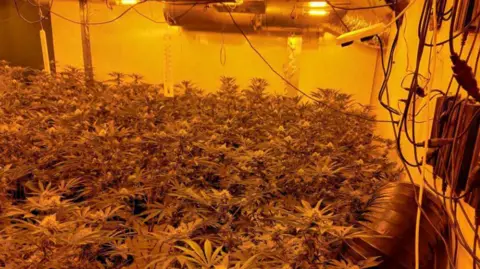
How do THC levels vary by product type?
Researchers frequently characterize THC as having “biphasic” effects (implying that varying levels can lead to different outcomes), but the experience is often unique to the individual. Some individuals discover that precisely measured small amounts can aid in alleviating pain — promoting sleep, or reducing anxiety. These immediate effects contribute to cannabis’s recreational reputation and the increasing medical interest in THC for conditions involving pain, sleep, appetite, and stress. Concurrently (THC interacts with pain pathways), accounting for its investigation in relation to analgesic properties for both acute and chronic pain.
Unlike commercially available CBD products — these treatments adhere to significantly higher standards. UK patients with a valid prescription can legally obtain medical cannabis products that provide much greater flexibility. Indeed (it possesses the potential to influence mood), perception, and cognitive processes.
Secondhand smoke from cannabis carries many of the same health risks as secondhand smoke from tobacco. The plant contains substances that can impact the brain and alter your feelings or thought processes. First-time offenders are typically given warnings or penalties related to cannabis rather than facing immediate arrest.
Sorry, the comment form is closed at this time.